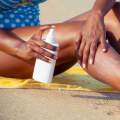
As the sun shines brighter and the days grow longer, the importance of protecting our skin from harmful UV rays cannot be overstated. One area that often gets overlooked in our sun protection routine is the back. Many people apply sunscreen diligently to their face and arms but neglect their back, leaving it vulnerable to sunburn and long-term skin damage. This is where waterproof SPFwaterproof SPF comes into play, offering a crucial layer of defence against the sun's harmful effects.Using waterproof SPF is essential not only for preventing immediate discomfort from sunburn but also for safeguarding against more serious conditions such as skin cancer.
The skin on our back is just as susceptible to UV radiation as any other part of our body, yet it often receives less attention during sunscreen application. According to dermatological studies, a significant percentage of skin cancers arise from areas that are frequently exposed to the sun but inadequately protected. Therefore, applying a reliable waterproof sunscreen on your back is not merely a cosmetic choice; it is a vital health decision.Moreover, waterproof SPF provides an added advantage for those who enjoy outdoor activities such as swimming or sports. Regular sunscreens can wash away or lose effectiveness when exposed to water or sweat, leaving your skin unprotected.
Waterproof formulations are designed to adhere to the skin even in wet conditions, ensuring that your back remains shielded from harmful rays while you enjoy your time outdoors. This durability makes waterproof SPF an indispensable part of your summer skincare arsenal.In summary, understanding the significance of using waterproof SPF on your back is crucial for maintaining healthy skin. By prioritising this often-neglected area and choosing a high-quality sunscreen, you can enjoy the sun with confidence, knowing that you are taking proactive steps to protect your skin from both immediate and long-term damage.
Why Your Back Needs Special Attention
When it comes to applying sunscreen, many individuals tend to focus on the more visible areas of their bodies, such as the face, arms, and legs. Unfortunately, this often leads to the back being overlooked, which can have serious consequences.The skin on your back is just as susceptible to sun damage as any other part of your body, yet it frequently receives less attention during sunscreen application.One of the primary reasons for this neglect is simply accessibility. The back is a challenging area to reach without assistance, making it easy to forget or skip entirely when applying sunscreen. This oversight can lead to significant sun exposure, especially during outdoor activities like swimming or sunbathing, where the back is often fully exposed.
Understanding the Risks
The risks associated with neglecting your back are substantial. According to dermatological studies, prolonged exposure to UV radiation can lead to various skin issues, including premature aging and an increased risk of skin cancer.
In fact, the Skin Cancer Foundation reports that approximately 90% of non-melanoma skin cancers are linked to UV exposure. This statistic underscores the importance of protecting every inch of your skin, including those hard-to-reach areas.Moreover, the back is particularly vulnerable because it often receives direct sunlight for extended periods. Whether you're lounging by the pool or enjoying a day at the beach, your back is likely exposed for hours at a time. This continuous exposure can lead to severe sunburns and long-term skin damage if not adequately protected.In fact, the Skin Cancer Foundation reports that approximately 90% of non-melanoma skin cancers are linked to UV exposure. This statistic underscores the importance of protecting every inch of your skin, including those hard-to-reach areas.Moreover, the back is particularly vulnerable because it often receives direct sunlight for extended periods. Whether you're lounging by the pool or enjoying a day at the beach, your back is likely exposed for hours at a time. This continuous exposure can lead to severe sunburns and long-term skin damage if not adequately protected.
Neglected Areas and Their Consequences
Many people are unaware that certain areas on their backs are more prone to sun damage than others.
For instance, the upper back and shoulders are frequently exposed and can easily burn if not protected. Additionally, these areas may develop dark spots or other signs of sun damage over time if they are consistently neglected during sunscreen application.In conclusion, giving special attention to your back when applying waterproof SPF is crucial for maintaining healthy skin and reducing the risk of skin cancer. By recognising the unique challenges associated with this area and understanding the potential consequences of neglecting it, you can take proactive steps to ensure comprehensive sun protection.
Choosing the Right Waterproof SPF
When it comes to safeguarding your skin from the sun's harmful rays, selecting the right waterproof SPF is crucial. With a plethora of options available, understanding how to choose the most suitable product can make all the difference in ensuring effective protection.Understanding SPF Ratings
The Sun Protection Factor (SPF) rating is a key indicator of how well a sunscreen can protect your skin from UVB rays, which are primarily responsible for sunburn and contribute to skin cancer.The higher the SPF number, the greater the level of protection. For instance, an SPF of 30 blocks approximately 97% of UVB rays, while SPF 50 blocks about 98%.However, it’s important to note that no sunscreen can provide 100% protection. Therefore, it’s advisable to choose a broad-spectrum sunscreen that protects against both UVA and UVB rays. UVA rays penetrate deeper into the skin and are associated with premature aging and skin cancer.
Types of Sunscreens
There are two main types of sunscreens: chemical and physical (or mineral).Understanding their differences can help you make an informed choice:
- Chemical Sunscreens: These contain organic compounds that absorb UV radiation and transform it into heat, which is then released from the skin. They tend to be lighter in texture and are often preferred for daily use. However, some individuals may experience irritation or allergic reactions to certain ingredients.
- Physical (Mineral) Sunscreens: Composed of natural minerals like zinc oxide or titanium dioxide, these sit on top of the skin and reflect UV rays away. They are often recommended for sensitive skin types and provide immediate protection upon application.
However, they may leave a white cast on the skin.
Choosing Waterproof Formulations
When selecting a waterproof SPF, look for products specifically labelled as "water-resistant" or "waterproof." These formulations are designed to maintain their SPF protection for a certain duration while swimming or sweating. Typically, water-resistant sunscreens offer protection for either 40 or 80 minutes before needing reapplication.Additionally, consider your activities when choosing a waterproof SPF. If you plan on swimming or engaging in sports, opt for a higher SPF rating and ensure that it is labelled as water-resistant. For everyday use, a lower SPF may suffice if you’re mostly indoors or not exposed to direct sunlight for extended periods.In summary, selecting the right waterproof SPF involves understanding SPF ratings, knowing the differences between chemical and physical sunscreens, and choosing formulations that suit your lifestyle and skin type.When selecting a waterproof SPF, look for products specifically labelled as "water-resistant" or "waterproof." These formulations are designed to maintain their SPF protection for a certain duration while swimming or sweating. Typically, water-resistant sunscreens offer protection for either 40 or 80 minutes before needing reapplication.Additionally, consider your activities when choosing a waterproof SPF. If you plan on swimming or engaging in sports, opt for a higher SPF rating and ensure that it is labelled as water-resistant. For everyday use, a lower SPF may suffice if you’re mostly indoors or not exposed to direct sunlight for extended periods.In summary, selecting the right waterproof SPF involves understanding SPF ratings, knowing the differences between chemical and physical sunscreens, and choosing formulations that suit your lifestyle and skin type.By making an informed choice, you can enjoy outdoor activities while effectively protecting your skin from sun damage.
Best Methods for Applying Waterproof SPF on Your Back
When it comes to applying waterproof SPF on your back, choosing the right method can make all the difference in ensuring thorough coverage and protection. Here, we will explore effective techniques for applying sunscreen, comparing spray and lotion options, and providing step-by-step instructions for each method.Spray Sunscreen: Quick and Convenient
Spray sunscreens are a popular choice for many due to their ease of use and quick application. Here’s how to effectively apply spray sunscreen on your back:- Choose the Right Product: Ensure that the spray sunscreen is labelled as waterproof or water-resistant. This guarantees that it will remain effective even when exposed to water or sweat.
- Preparation: Shake the canister well before use to ensure an even distribution of ingredients.
- Application Technique: Hold the spray nozzle approximately 6 inches away from your skin.
Start spraying at the top of your back and work your way down, ensuring you cover all areas evenly. Remember to spray in a sweeping motion to avoid missing spots.
- Rub It In: After spraying, use your hands to rub the sunscreen into your skin. This helps to ensure that it adheres properly and provides maximum protection.
- Check Coverage: Use a mirror or ask someone to help you check for any missed areas, particularly around the shoulder blades and lower back.
Lotion Sunscreen: Thorough and Reliable
If you prefer lotion sunscreens, they can also be applied effectively on your back with a few additional tools:- Select a Long-Handled Applicator: Look for a lotion applicator with a long handle, which often comes with a sponge or brush at the end. This tool allows you to reach those tricky spots without straining.
- Dispense the Lotion: Squeeze an adequate amount of lotion onto the applicator sponge or brush.
A generous amount ensures better coverage.
- Application Method: Start applying from the top of your back downwards. Use circular motions to spread the lotion evenly across your skin. Pay special attention to areas that are often overlooked, such as the sides and lower back.
- Blend Well: After applying with the applicator, use your hands to blend in any excess lotion, ensuring complete coverage.
- Final Check: Similar to spray application, check in a mirror or ask for assistance to confirm that no areas are left unprotected.
Using Applicators for Easy Application
Applying sunscreen to your back can be a challenge, especially when you're trying to ensure even coverage without missing any spots.Fortunately, there are several applicators designed specifically to help you reach those hard-to-access areas. In this section, we will explore various options, including commercially available long handle applicators and some creative DIY solutions.
Commercially Available Long Handle Applicators
One of the most effective ways to apply sunscreen to your back is by using a long handle applicator. These tools are designed to extend your reach, allowing you to apply lotion or spray sunscreen evenly across your back without needing assistance. Here are some popular options:- Sponge Applicators: These applicators typically feature a long handle with a sponge at the end.
They are perfect for applying lotion sunscreen, as the sponge allows for smooth and even distribution. Simply pour some sunscreen onto the sponge and glide it across your back in circular motions.
- Brush Applicators: Similar to sponge applicators, brush applicators have a long handle but come with bristles instead. They can be particularly useful for applying spray sunscreens, as they help to spread the product evenly without leaving streaks.
- Roll-On Applicators: These devices have a rollerball at the end that dispenses sunscreen as you roll it across your skin. They are easy to use and can provide a mess-free application, making them ideal for those who prefer lotion sunscreens.
DIY Applicators for Custom Solutions
If you prefer a more personalised approach or want to save money, creating your own DIY applicator can be an excellent option.Here are some simple ideas:
- Using a Paint Roller: A clean paint roller can serve as an effective applicator for sunscreen. Simply pour some lotion onto the roller and use it to cover your back. Make sure to choose a roller with a soft fabric cover for gentle application.
- Long Handled Kitchen Utensils: Items like spatulas or large serving spoons can be repurposed as makeshift applicators. Just apply sunscreen directly onto the utensil and use it to spread the product across your back.
- Towel Method: For those who prefer a more traditional approach, you can wrap a towel around a long stick or broom handle.
Apply sunscreen to the towel and use it to wipe down your back. This method allows for good coverage while being easy to manage.
The Role of Assistance: Getting Help from Others
When it comes to applying waterproof SPF on your back, enlisting the help of friends or family can make the process not only easier but also more enjoyable. Many people struggle to reach all areas of their back, and having someone assist you can ensure that every inch is adequately protected from harmful UV rays.Benefits of Seeking Assistance
- Thorough Coverage: Having a partner helps guarantee that no spots are missed.
This is particularly important for areas that are often overlooked, such as the lower back or the sides.
- Quality Control: A second pair of eyes can help ensure that the sunscreen is applied evenly and adequately, reducing the risk of sunburn.
- Time-Saving: Applying sunscreen can be a time-consuming task when done alone. With assistance, you can quickly get ready for your day in the sun.
Making It a Fun Activity
Applying sunscreen doesn’t have to be a mundane chore. Here are some creative ways to turn this task into a fun bonding experience:
- Sunscreen Relay: Turn the application process into a game by timing each other. See who can apply their sunscreen the fastest while still ensuring full coverage.
- Music and Dance: Play your favourite summer tunes while applying sunscreen.
Dancing around while getting ready can lighten the mood and make the experience more enjoyable.
- Compliment Challenge: As you apply sunscreen on each other, take turns giving compliments. This not only makes the process more enjoyable but also strengthens your bond.
Asking for Help
If you’re hesitant to ask for assistance, remember that most people are happy to help, especially when it comes to something as important as sun protection. You can approach friends or family members with a light-hearted request, perhaps even suggesting it as part of your day out together. This way, it feels less like a chore and more like a shared experience.In conclusion, seeking help from others when applying waterproof SPF on your back is not just practical; it can also enhance your time in the sun.
By turning this essential task into a fun activity, you not only ensure better protection for your skin but also create lasting memories with those you care about.
Timing Your Application: When and How Often to Apply Waterproof SPF
Understanding the timing of your sunscreen application is crucial for achieving optimal protection against harmful UV rays. Many people underestimate the importance of when to apply sunscreen and how often to reapply it, which can lead to inadequate protection and increased risk of sunburn and skin damage.When to Apply Waterproof SPF
To ensure that your skin is fully protected, it is recommended to apply waterproof SPF at least 15 to 30 minutes before you head outdoors. This waiting period allows the sunscreen to properly absorb into your skin and form a protective barrier against UV radiation. If you apply it right before sun exposure, you may not receive the full benefits of the product.For those planning to swim or engage in activities that may cause sweating, applying sunscreen even earlier is advisable.
This gives the product ample time to adhere effectively to your skin, ensuring that it remains effective even when exposed to water or perspiration.
Reapplication Tips
Even with waterproof formulations, reapplication is essential for maintaining protection throughout the day. The general guideline is to reapply every two hours, but this frequency should increase if you are swimming or sweating heavily. Water-resistant sunscreens are designed to withstand some exposure to water, but they are not entirely impervious. Therefore, after swimming or towel-drying, it’s crucial to reapply immediately.Here are some practical tips for reapplying:
- Use a consistent method: Whether you choose a spray or lotion, stick with one method for ease of application.
- Don’t skimp: Ensure you use enough product; most adults need about an ounce (a shot glass full) for full body coverage.
- Focus on missed spots: Pay special attention to areas that are often overlooked, such as the back of your neck, ears, and feet.
Timing for Maximum Protection
The timing of your sunscreen application can significantly impact its effectiveness.
If you plan on spending an extended period outdoors, consider applying sunscreen in layers. Start with a base layer before heading out and then reapply every two hours as mentioned earlier. This layered approach can help ensure that your skin remains protected throughout your outdoor activities.In summary, proper timing in applying and reapplying waterproof SPF is essential for safeguarding your skin from sun damage. By adhering to these guidelines, you can enjoy your time in the sun while minimising the risks associated with UV exposure.
Additional Tips for Effective Sun Protection
While applying waterproof SPF is essential for protecting your skin from harmful UV rays, there are several additional strategies you can employ to enhance your sun protection.These tips not only help safeguard your skin but also promote overall sun safety practices.
Choose the Right Clothing
Your choice of clothing can significantly impact your level of sun protection. Here are some guidelines to consider:- Opt for UPF-rated clothing: Look for garments that have a UPF (Ultraviolet Protection Factor) rating. These clothes are specifically designed to block UV radiation and provide an extra layer of defence against the sun.
- Select loose-fitting attire: Loose clothing allows for better air circulation and reduces the risk of overheating while still providing coverage. Tight-fitting clothes may cling to your skin, offering less protection.
- Cover up: Long-sleeved shirts, long trousers, and wide-brimmed hats can shield your skin from direct sunlight.
Fabrics made from tightly woven materials are particularly effective.
Utilise Accessories Wisely
Accessories can play a crucial role in enhancing your sun protection:- Sunglasses: Invest in a pair of sunglasses that offer 100% UV protection. This will help shield your eyes from harmful rays and reduce the risk of cataracts and other eye-related issues.
- Hats: A wide-brimmed hat can protect not only your face but also your neck and ears, which are often overlooked during sunscreen application.
Practice Smart Sun Exposure
Timing is everything when it comes to sun exposure. Here are some smart practices to keep in mind:- Avoid peak hours: The sun's rays are strongest between 10 a.m. and 4 p.m.
If possible, seek shade or limit your time outdoors during these hours.
- Plan outdoor activities wisely: If you must be outside during peak hours, try to schedule activities in shaded areas or take frequent breaks indoors.
Common Myths About Waterproof SPF Debunked
When it comes to sun protection, there are numerous myths surrounding waterproof SPF that can lead to inadequate skin care practices. Understanding these misconceptions is crucial for ensuring effective sun protection. Here, we debunk some of the most common myths about waterproof SPF.Myth 1: Waterproof SPF Means No Reapplication Needed
One of the biggest misconceptions is that waterproof SPF does not require reapplication.In reality, even the most effective waterproof sunscreens can wear off due to sweating, swimming, or towel drying. It is essential to reapply every two hours, or more frequently if you are in the water or engaging in vigorous activities.
Myth 2: All Sunscreens Are Created Equal
Another common myth is that all sunscreens provide the same level of protection. This is not true. Sunscreens vary in their SPF ratings , broad-spectrum protection, and water resistance.Always choose a sunscreen that is labelled as waterproof or water-resistant, and check for a minimum SPF of 30 for adequate protection.
Myth 3: You Only Need Sunscreen on Sunny Days
Many people believe that sunscreen is only necessary when the sun is shining brightly. However, UV rays can penetrate clouds and still cause skin damage even on overcast days. It’s important to apply waterproof SPF daily, regardless of the weather conditions.Myth 4: Darker Skin Tones Don’t Need Sunscreen
A prevalent misconception is that individuals with darker skin tones do not need sunscreen. While it’s true that melanin offers some natural protection against UV rays, it does not eliminate the risk of skin damage or skin cancer.Everyone, regardless of skin tone, should use a broad-spectrum sunscreen to protect against harmful UV radiation.
Myth 5: Sunscreen Is Only Necessary for Outdoor Activities
Some people think that sunscreen is only needed during outdoor activities or at the beach. However, UV rays can also penetrate windows, meaning indoor exposure can still lead to skin damage. Applying waterproof SPF daily, even when indoors, can help protect your skin from cumulative UV exposure.By debunking these myths about waterproof SPF, you can make informed decisions about your sun protection routine. Remember to choose a high-quality sunscreen, apply it generously and frequently, and protect your skin every day for optimal health.Conclusion: Enjoying the Sun Safely with Waterproof SPF
As we wrap up our comprehensive guide on applying waterproof SPF to your back, it’s essential to reiterate the significance of safeguarding your skin against harmful UV rays.The sun can be both a source of joy and a potential threat, especially during the warmer months when outdoor activities are at their peak. By following the guidelines outlined in this article, you can enjoy the sun while minimising the risk of sunburn and long-term skin damage.To summarise, here are the key takeaways:
- Prioritise Your Back: The skin on your back is often overlooked during sunscreen application. Remember that it is just as susceptible to sun damage as any other area of your body.
- Choose the Right Product: Opt for a waterproof or water-resistant SPF that suits your skin type. Whether you prefer a spray or lotion, ensure it offers broad-spectrum protection against both UVA and UVB rays.
- Application Techniques Matter: Use a spray sunscreen for easy application or a long-handled applicator for lotion.
If possible, enlist the help of a friend or family member to ensure complete coverage.
- Timing is Key: Apply sunscreen 15-30 minutes before sun exposure to allow it to absorb effectively into your skin. This step is crucial for optimal protection.
- Reapply Regularly: Even waterproof SPF needs reapplication every two hours, or more frequently if you are swimming or sweating. This ensures that your skin remains protected throughout your outdoor activities.
- Complement with Protective Clothing: In addition to sunscreen, wearing protective clothing such as hats and cover-ups can provide an extra layer of defence against UV rays.
So, as you head out into the sunshine, make sure to apply your waterproof SPF diligently and embrace all that summer has to offer with peace of mind.